
CJP founder urges village heads and parents to improve government school infrastructure across rural India
Cockroach Janta Party (CJP) founder Abhijeet Dipke has launched a nationwide campaign aimed at improving government schools in villages, calling on village heads, parents, and local communities to take responsibility for strengthening basic educational infrastructure. The initiative, announced through a video message on social media, focuses on improving facilities in rural government schools and encouraging greater public participation in monitoring school conditions.
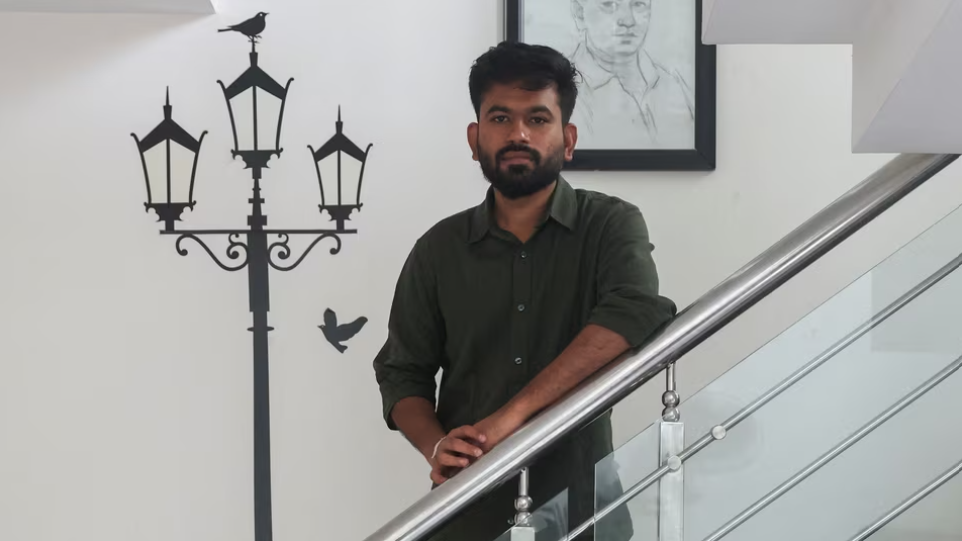
Dipke appealed to citizens to take a pledge on August 15, India’s Independence Day, to work towards better schools for children living in villages. He argued that rural government schools have remained neglected for decades and questioned why better educational infrastructure has not received the same attention as other major public projects.
“We have built a new Parliament and a new Prime Minister’s residence. Why couldn’t we build new schools in our villages?” Dipke asked in his address. He said children from farming and labouring families deserve the same quality of educational facilities that are available to students in urban areas.
Focus on basic infrastructure
According to Dipke, many village schools continue to struggle with a lack of basic amenities such as clean drinking water, electricity, functional washrooms, and adequate classroom infrastructure. He said that children often have to travel long distances to attend school, while the absence of proper sanitation facilities creates additional difficulties, particularly for girls.
He announced that he would begin the campaign from his village in Hingoli district of Maharashtra’s Marathwada region by requesting the local sarpanch to improve the condition of the government school there.
Dipke also appealed to sarpanches across the country to take similar initiatives, saying that one village’s efforts could inspire many others to improve their schools. He added that successful local initiatives would be highlighted on CJP’s social media platforms with full credit to the communities involved.
Parents asked to conduct a social audit
A key part of the campaign is Dipke’s call for parents to conduct a “social audit” of government schools attended by their children. He urged parents to examine whether schools have access to essential facilities, including electricity, water, toilets, and midday meal services.
He encouraged families to document any deficiencies through photographs and videos and report them, arguing that quality education and basic school infrastructure are fundamental rights of every child.
Dipke said the CJP would soon release a standard audit form that parents could print, fill out, and submit with details about school infrastructure in their villages.
Education at the centre of CJP’s outreach
The village education campaign marks the latest phase of the CJP’s expanding public outreach efforts. The movement, which initially gained attention through online campaigns and later through protests related to the NEET examination issue, has increasingly focused on education and youth-related concerns.
Dipke recently announced the “Kya Bolti Public” campaign, describing it as a nationwide initiative to understand local public issues, with education identified as one of its primary areas of focus.
The campaign aims to build a network of village communities, parents, and local representatives working together to improve government schools and ensure that rural children receive access to basic educational facilities.
As the campaign begins ahead of Independence Day, Dipke has called on citizens across India to make village education a national priority and work collectively to improve government schools in rural areas.