
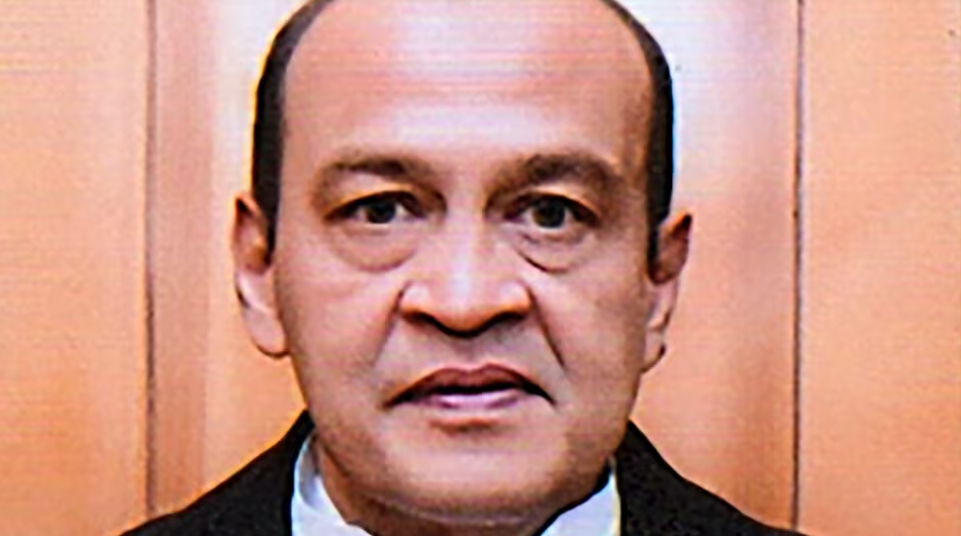
Justice Yashwant Varma faces a major setback after the Lok Sabha inquiry panel found him guilty on all three charges in the cash-at-home case.he three-member committee examined the allegations involving unaccounted cash discovered at his official residence and rejected his explanation.
The panel described his explanation as evasive, misleading, and unsupported by the evidence presented during the inquiry.
Parliament tabled the committee’s 126-page report in both Houses, marking a major development in the judicial controversy.
Fire at Official Residence Triggered Investigation
A fire broke out at Justice Varma’s official residence in Delhi on March 14, 2025.
Investigators reportedly discovered a large quantity of burnt and unaccounted currency inside a storeroom after the fire.
The committee found evidence that confirmed the presence of the cash and questioned Justice Varma’s explanation about its origin.
The panel said investigators could not directly prove that Justice Varma personally owned the money.
However, the committee rejected his claim that he knew nothing about the cash or its subsequent disappearance.
Panel Holds All Three Charges Proved
The inquiry committee included Supreme Court judge Justice Aravind Kumar, former Bombay High Court Chief Justice Shrikrishna Chandrashekhar, and senior advocate BV Acharya.
The panel rejected Justice Varma’s claim that he had no control over the storeroom where investigators discovered the cash.
It noted that the room contained a locked cabinet holding his personal belongings, which connected him to the premises.
The committee therefore held the first charge proved against Justice Varma.
The second charge concerned the failure to preserve the burnt currency and other important evidence following the fire.
Although the panel found no direct evidence that Justice Varma personally removed the cash, it held him responsible for preserving evidence.
The committee also examined the involvement of people connected with his household and official establishment.
Panel Criticises Justice Varma’s Explanation
The committee closely examined Justice Varma’s statements during the inquiry and found several inconsistencies in his defence.
He initially denied knowing about the cash and later claimed that someone had planted the money inside the storeroom.
The panel rejected these claims because they failed to explain the presence of the cash or challenge the evidence effectively.
The committee also criticised Justice Varma for refusing to appear in the witness box and face cross-examination.
It described parts of his defence as false and called his overall explanation evasive and misleading.
The panel consequently held the third charge proved against him.
Justice Varma Resigned During Proceedings
The controversy began after then Chief Justice of India Sanjiv Khanna ordered an in-house inquiry following the March 2025 incident.
The earlier inquiry found Justice Varma’s explanation unsatisfactory and asked him to resign or face constitutional removal proceedings.
Justice Varma initially refused to resign, after which authorities forwarded the matter to the President and Prime Minister.
The Lok Sabha later admitted a removal motion and established the statutory inquiry committee to investigate the allegations.
Justice Varma eventually resigned from judicial office on April 9, 2026, while the parliamentary inquiry remained underway.
What Happens Next?
Parliament must now consider the inquiry report and decide whether lawmakers should take further action despite Justice Varma’s resignation.
The findings could influence future discussions about judicial accountability, transparency, and the constitutional process for removing judges.