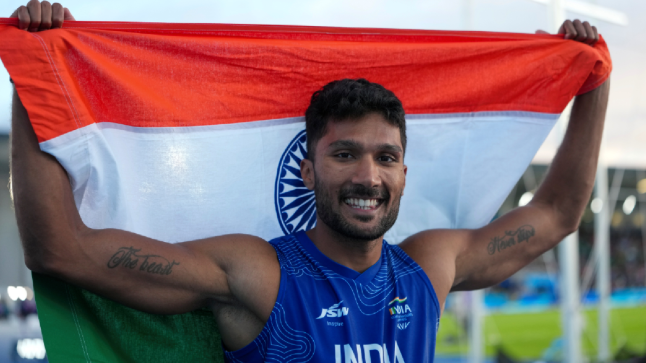
Indian decathlete Tejaswin Shankar turned one of the most inspiring stories of the Commonwealth Games into reality. Despite battling a painful knee injury, he won a historic bronze medal and celebrated in a unique style inspired by tennis legend Novak Djokovic.
After completing his victory lap at Glasgow’s Scotstoun Stadium, Tejaswin walked to the centre of the field, picked up a handful of grass and ate it, paying tribute to Djokovic’s famous Wimbledon celebration. For Tejaswin, the gesture symbolised a medal that had looked almost impossible just days earlier.
First Indian to Win a CWG Decathlon Medal
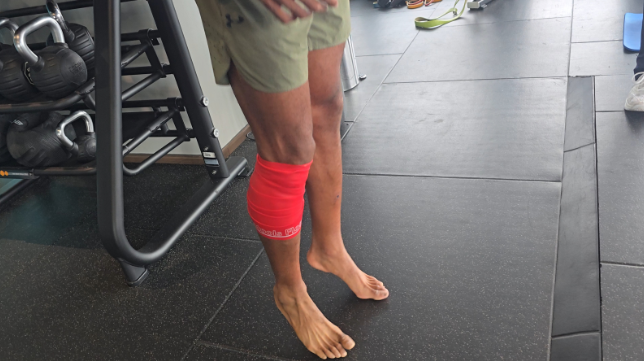
Tejaswin became the first Indian to win a Commonwealth Games medal in the decathlon despite competing with severe tendinitis, commonly known as jumper’s knee.
The injury had already forced him to withdraw from the high jump two days before the decathlon. At that point, he believed his medal hopes had ended.
Reflecting on his achievement, Tejaswin admitted that he struggled to believe what he had accomplished.
Injury Almost Ended His Campaign
Tejaswin’s emotional journey began when his knee pain became worse. Overwhelmed by disappointment, he broke down after leaving the competition area and feared that his Commonwealth Games campaign had ended.
He spent hours searching online for possible recovery options and even considered skipping the Games so he could focus on future competitions.
A medical assessment from team doctor Dr. Dinshaw Pardiwala then gave him hope. Although the knee showed significant inflammation, doctors found no ligament rupture. That meant Tejaswin could compete if he managed the pain.
“It felt unreal. I kept wondering how I had managed to win a Commonwealth Games medal with one-and-a-half legs,” he recalled.
Support Staff Helped Him Return
India’s support staff played a crucial role in Tejaswin’s recovery.
Strength and conditioning coach Wayne Lombard and team physiotherapist Mayur Thakkar worked with him intensively over the next two days. They used soft tissue treatment, hyperbaric oxygen therapy and red-light therapy to help him regain enough fitness to compete.
Their efforts allowed Tejaswin to take his place in the decathlon.
More Challenges During Competition
Tejaswin faced another scare on the opening morning when he rolled his ankle during warm-up. Fortunately, the injury did not cause serious problems.
His first event, the 100 metres, did not go as planned because he focused heavily on protecting his injured knee rather than executing his race.
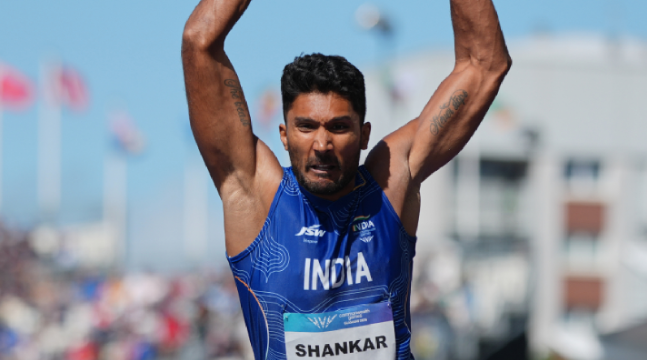
He then found his rhythm in the long jump, producing a personal-best leap of 7.82 metres. The performance boosted his points total and restored his belief that he could still challenge for a podium finish.
High Jump Tests His Injured Knee
The high jump presented Tejaswin with perhaps his biggest physical challenge because the event placed considerable pressure on his injured take-off leg.
He carefully managed the pain, limited his attempts and cleared important heights to remain in medal contention.
Tejaswin finished the opening day in second place but later dropped to fourth after the pole vault. A personal best in the discus throw helped him stay in the fight.
Javelin Throw Secures His Medal Chance
Tejaswin produced a crucial 53.12-metre javelin throw, giving him an important advantage over his nearest rival before the final 1,500-metre race.
He held on through the final event and secured the bronze medal, creating history for Indian athletics.
A Medal Built on Resilience
For Tejaswin, the historic podium finish meant much more than another medal for India. His performance demonstrated resilience, mental strength and determination in the face of a serious physical setback.
The experience has also given him greater confidence ahead of future major athletics competitions, where athletes must overcome both physical and mental challenges.
His emotional Djokovic-inspired grass celebration perfectly captured the significance of the moment—a historic medal earned through determination, courage and a refusal to give up