
Hospitals across the national capital have reported an increase in patients with fever, cough and cold symptoms as H1N1 infections rise during the monsoon season.
Delhi has witnessed a significant rise in H1N1 (swine flu) cases this monsoon season, with 1,349 confirmed infections recorded so far this year. The increase in cases has prompted health authorities to strengthen preparedness measures across hospitals in the national capital.
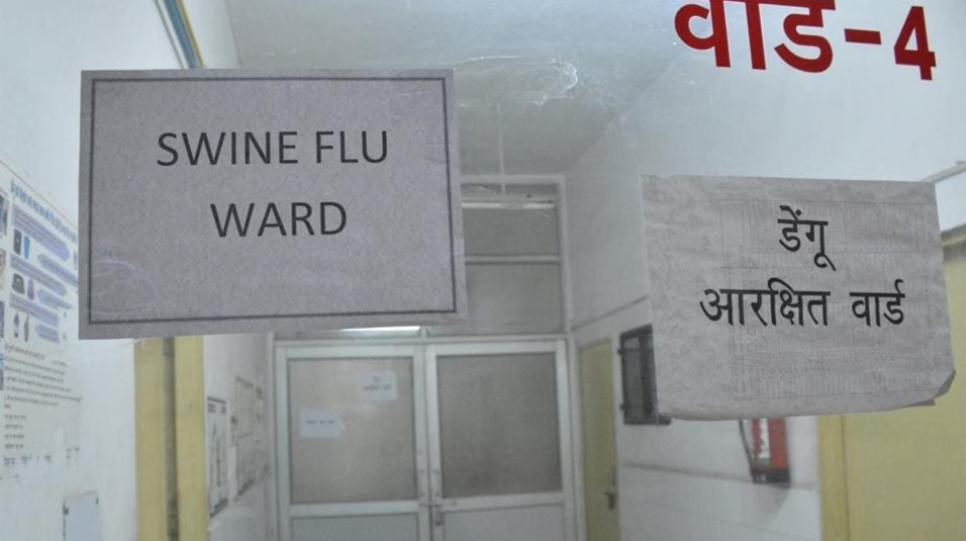
The Delhi government has stated that hospitals are fully prepared to manage the growing number of H1N1 patients. Separate wards and dedicated rooms have been allocated for H1N1 and dengue patients to ensure better treatment and infection control during the monsoon season.
Doctors have reported a noticeable increase in patients visiting hospitals with symptoms such as fever, cough, cold, sore throat and body aches over the past few weeks. Health experts say that the humid and rainy weather often creates conditions that can contribute to the spread of seasonal viral infections, including H1N1 influenza.
Common symptoms of H1N1
H1N1 flu symptoms are similar to those of seasonal influenza and may include:
- Fever
- Cough
- Sore throat
- Runny or blocked nose
- Body aches
- Headache
- Fatigue
- Chills
- In some cases, difficulty breathing
People experiencing persistent fever, severe cough, shortness of breath or worsening symptoms are advised to seek medical attention promptly.
Who is at higher risk?
Health experts have identified certain groups that are more vulnerable to severe H1N1 infection, including:
- Elderly individuals
- Young children
- Pregnant women
- People with diabetes
- Patients with heart disease
- Individuals with chronic respiratory illnesses such as asthma
- Those with weakened immune systems
These groups may develop complications more quickly and should consult a doctor if flu-like symptoms appear.
Precautions to reduce the risk
Doctors recommend several preventive measures to reduce the spread of H1N1:
- Wash hands frequently with soap and water
- Use alcohol-based hand sanitisers when necessary
- Wear a mask in crowded or poorly ventilated areas
- Cover the mouth and nose while coughing or sneezing
- Avoid close contact with people who are unwell
- Stay home if experiencing flu-like symptoms
- Maintain good hydration and adequate rest
Health authorities have urged residents not to panic but to remain vigilant. They have also advised people to avoid self-medication and seek professional medical advice if symptoms persist.
Officials said hospitals are monitoring the situation closely and have adequate arrangements in place to handle both H1N1 and dengue cases during the ongoing monsoon season. The government has appealed to citizens to follow basic hygiene practices and report severe symptoms early to prevent complications and further spread of the infection.