
The conflict between the United States and Iran has entered another dangerous phase after an attack in Jordan killed two American soldiers and injured four others. The US military responded with fresh airstrikes against targets linked to Iran’s Islamic Revolutionary Guard Corps (IRGC), further raising tensions across the Middle East.
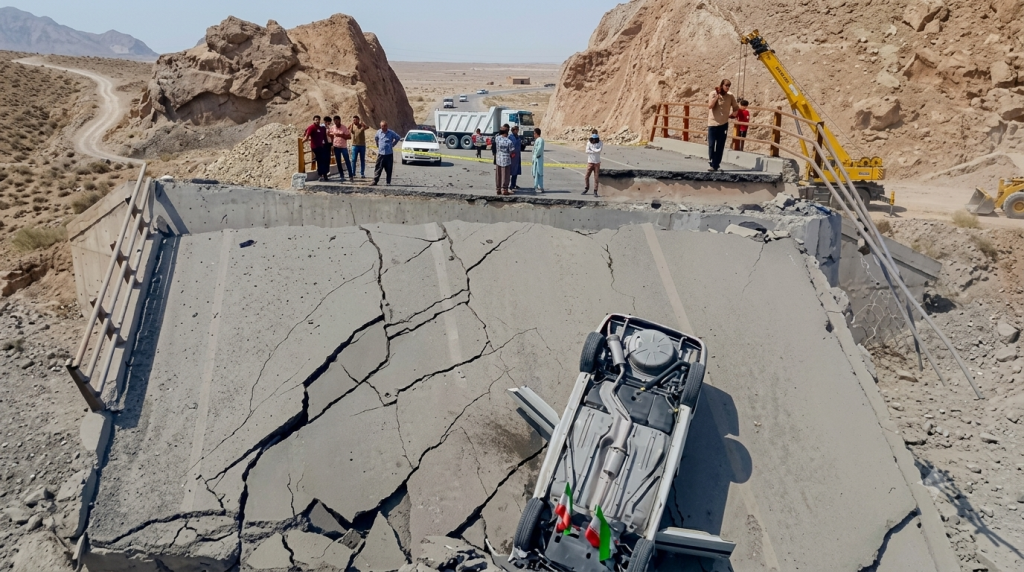
US Carries Out Fresh Airstrikes
The US military said it launched the strikes to “swiftly punish” those responsible for the attack on American personnel.
US Central Command (CENTCOM) said the operation targeted Iran’s military capabilities and aimed to reduce Tehran’s ability to threaten international shipping through the Strait of Hormuz.
The strategically important waterway carries nearly one-fifth of the world’s oil supply. Any major disruption there could affect global energy markets and increase economic uncertainty.
Two US Soldiers Killed in Jordan
Washington has not yet released the identities of the two American soldiers killed in Jordan. The attack also injured four other service members, although US officials have not provided detailed updates on their conditions.
Since the current conflict began, at least 16 American military personnel have died, while more than 430 others have suffered injuries, according to the figures cited in the report.
Iran Suspends Interim Commitments
The military escalation has also affected diplomatic efforts.
According to reports from the Associated Press, an Iranian negotiator said Tehran had suspended its commitments under an interim agreement with Washington.
The decision could further complicate attempts by both countries to reduce tensions and return to diplomatic negotiations.
Strikes Reported Across Southern Iran
Iranian state-run news agency IRNA reported fresh military activity across southern Iran.
Reports said strikes hit areas near Sirik, along the Strait of Hormuz, during the early hours of Sunday. Additional attacks reportedly occurred near Hajiabad in Hormozgan province.
Residents also reported explosions in Bandar Abbas, a strategically important port city. Reports further indicated that an area near Qeshm Island came under attack.
Iranian authorities confirmed explosions in several locations but have not released a full assessment of the damage or casualties.
Conflict Spreads to Northern Iraq
The violence has also reached neighboring Iraq.
A drone strike targeted a base belonging to the Kurdistan Freedom Party, an Iranian Kurdish dissident group, near Irbil in northern Iraq. Military officials from the group said the attack injured at least eight members.
Residents in Irbil reported several explosions as air defense systems responded to suspected drone threats.
The city has witnessed similar incidents in recent days as tensions between Washington and Tehran continue to rise.
No Group Claims Responsibility for Iraq Attack
No organization has claimed responsibility for the latest attacks in Iraq.
Previous incidents in the region have often drawn accusations against Iran or Iran-backed militias operating across Iraq, particularly in areas where US forces and Iranian Kurdish opposition groups maintain a presence.
Authorities have not established responsibility for the latest incident.
Rising Fears of a Wider Regional Conflict
The latest developments have increased fears that the confrontation could expand into a wider regional conflict.
The combination of US military retaliation, Iranian strikes, diplomatic setbacks and attacks across several countries has created fresh instability in the Middle East.
International governments continue to monitor the situation closely. Any major disruption around the Strait of Hormuz could also threaten global oil supplies and increase pressure on international energy markets.
What Happens Next?
Washington and Tehran now face important decisions as military tensions continue to rise. Further attacks could trigger additional retaliation, while renewed diplomatic talks could offer a path toward de-escalation.
The coming days will determine whether the conflict moves toward a broader military confrontation or whether the two sides can return to negotiations and prevent further regional instability.